Surveying Bath Stone Properties: What Every Buyer Needs to Know
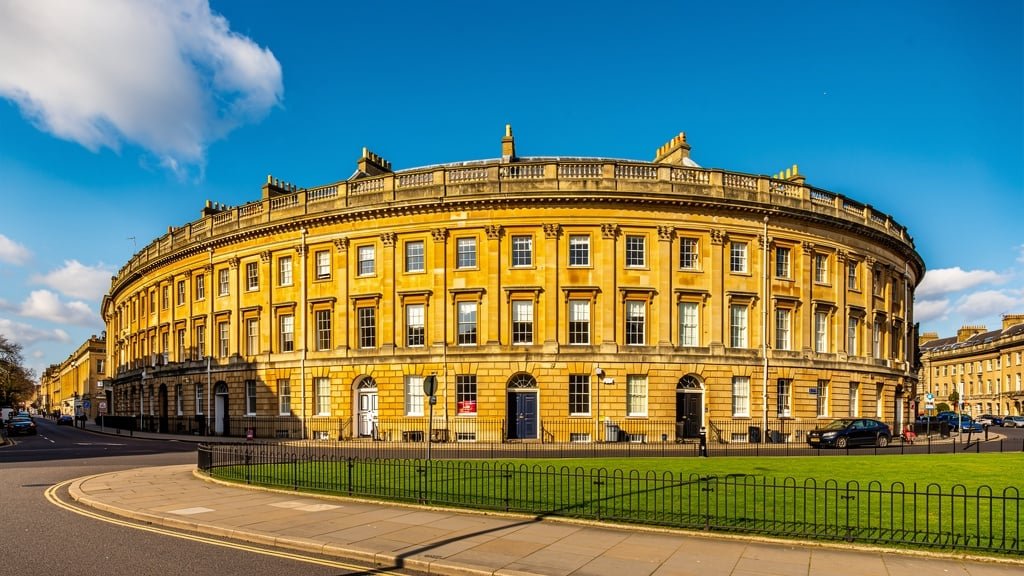
Bath is one of England's most beautiful cities — a UNESCO World Heritage Site whose Georgian crescents, terraces, and villas are built almost entirely from the local honey-coloured oolitic limestone known as Bath stone. If you're buying a property in Bath, you're likely buying something architecturally exceptional. But Bath stone properties have very specific survey requirements that not every surveyor is equipped to handle.
Our team at Bristol Surveyors surveys Bath properties regularly, and we've developed a deep understanding of the challenges and opportunities they present. Here's what every Bath buyer needs to know before instructing a survey.
What Is Bath Stone and Why Does It Matter for Surveys?
Bath stone is a relatively soft, porous oolitic limestone quarried from the hills surrounding Bath — most famously from the Monks Park and Corsham Down quarries. It was used almost exclusively to build Bath's famous Georgian architecture, giving the city its distinctive warm, golden appearance.
The softness and porosity that makes Bath stone so attractive also makes it vulnerable. Unlike harder building stones, Bath stone is prone to:
- Erosion — wind, rain, and frost gradually erode the surface, a process called spalling
- Frost damage — water penetrates the stone and expands on freezing, causing surface loss
- Sulphation — pollution causes a hard black crust to form over the stone surface, which can trap moisture and accelerate decay
- Biological growth — algae, moss, and lichens can colonise porous stone, accelerating decay if untreated
The Listed Building Complication
A very high proportion of Bath's built environment is either individually listed or within a conservation area. This has major implications for any survey — and for any subsequent repair or alteration work.
Repairing a listed Bath stone building isn't just a matter of hiring any builder. It requires the use of appropriate, historically sensitive materials and techniques — and may require listed building consent even for like-for-like repairs. Injudicious use of cement-based mortars or inappropriate stone types for repairs can cause irreversible damage and may result in enforcement action from the local planning authority.
Our surveyors are experienced with Bath's listed building requirements and will flag these considerations clearly in every survey report.
Common Defects Found in Bath Properties
Beyond the stone-specific issues above, Bath's period properties share many defects in common with other period properties across the South West:
- Lead valley gutters — Bath's roofs often have concealed lead valley gutters that are prone to failure, leading to significant internal damp if not maintained
- Lime mortar failure — original lime mortars in Bath stonework are soft and sacrificial (as intended), but they eventually need replacement. Using incompatible cement in repairs is a very common problem
- Basement damp — Bath's topography means many Georgian properties have basement storeys that are partially below ground. Damp in basements is extremely common
- Roof structure — original timber roof structures in Georgian properties can suffer from nail sickness, rafter decay, and movement
What Type of Survey Do You Need for a Bath Property?
For any Bath stone property — whether it's a small terraced cottage or a grand townhouse on the Royal Crescent — we always recommend a RICS Level 3 Building Survey. The complexity of Bath stone construction, the prevalence of listed buildings, and the typical age of properties (most of Bath's housing stock is 200+ years old) all make a comprehensive survey essential.
A Level 2 HomeBuyer Report simply doesn't provide the depth of analysis that these buildings require. You need a surveyor who understands traditional construction methods, can identify the difference between sacrificial lime mortar weathering and structural failure, and knows how to assess defects in the context of Bath's conservation requirements.
Buying a Property in Bath?
Our experienced team surveys Bath properties regularly and understands the unique survey requirements of Bath stone buildings, listed properties, and Georgian architecture. Contact us for a free, no-obligation quote.
Get a Free QuoteWhat Do Repairs Cost on Bath Properties?
This is a question our clients always ask. The honest answer is: repair costs for Bath stone properties can vary enormously, and proper stone repair work is specialist and expensive. Stone consolidants, lime-based repair mortars, and hand-stitched stone repairs all require specialist contractors with experience in working on Bath stone — and they command specialist prices.
Our Level 3 survey reports include indicative cost ranges for significant repair items, giving you a realistic sense of the financial implications before you exchange contracts.
Bath Property Survey FAQ
Potentially yes — and this depends on the listing and the nature of the works. Like-for-like repairs in appropriate materials don't always require consent, but any works that affect the character of the listed building do. We'll flag the listed building implications in your survey report, but you should always take advice from Bath & North East Somerset Council's conservation team and a specialist planning consultant for significant works.
They're related — both are oolitic limestones from the same geological sequence — but they're not identical. Cotswold stone (e.g., from the Chipping Campden or Minchinhampton area) is typically a slightly different colour and hardness. Using the wrong stone type in repairs is a common mistake that can cause cosmetic and structural problems. Our surveyors will advise on appropriate materials in every report.

James Hartley
Director, Bristol Surveyors
James has surveyed dozens of Bath stone properties and understands their specific survey requirements and the conservation planning context in Bath.